MXI Paws
1 / 5
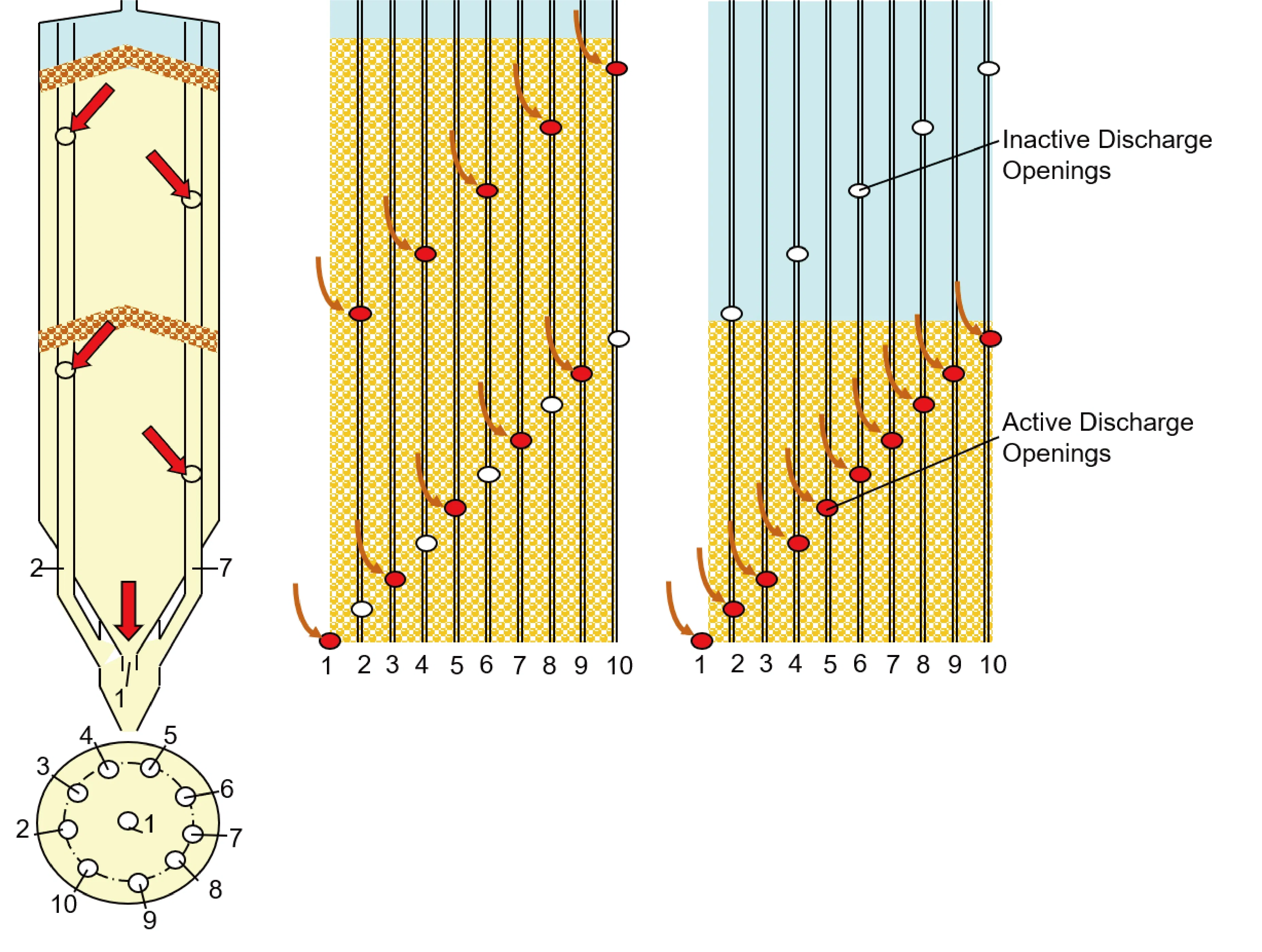
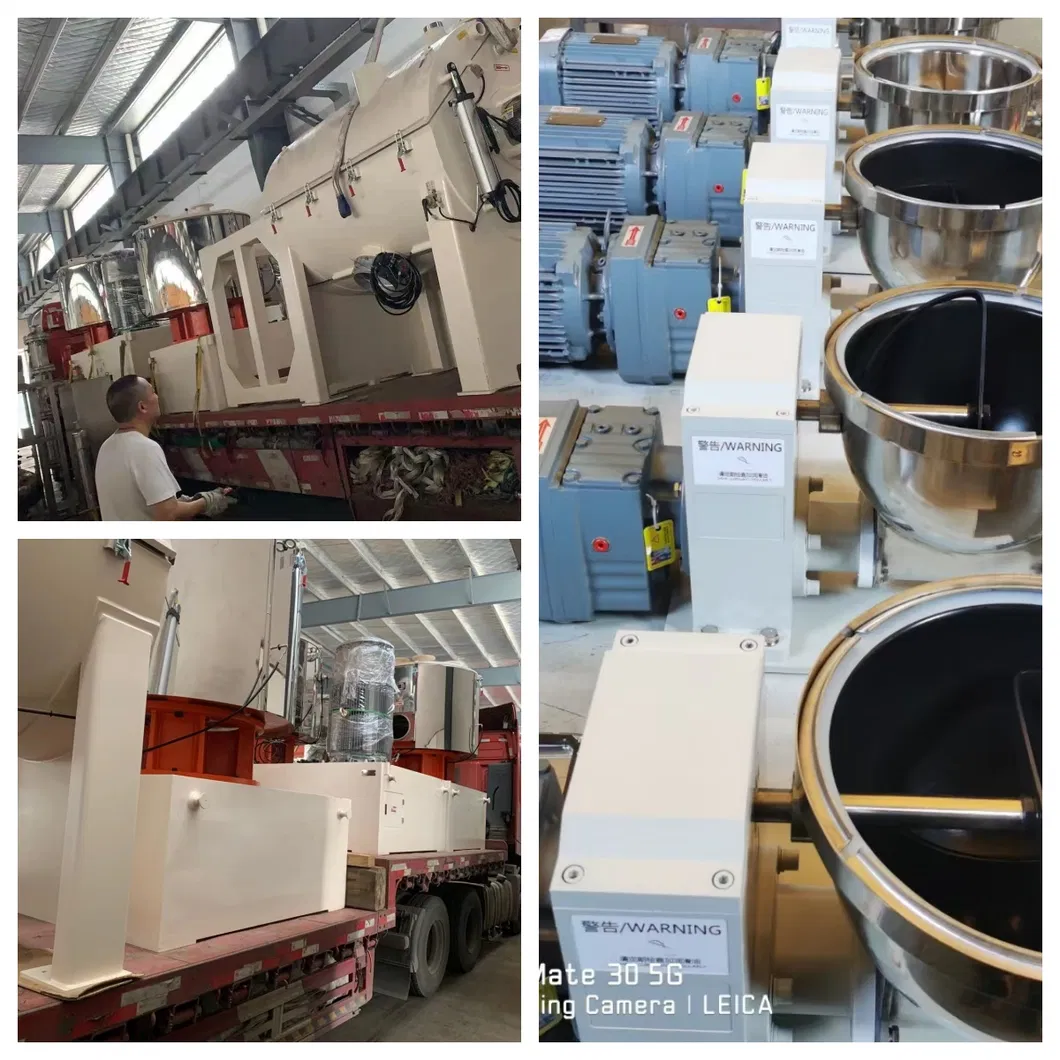
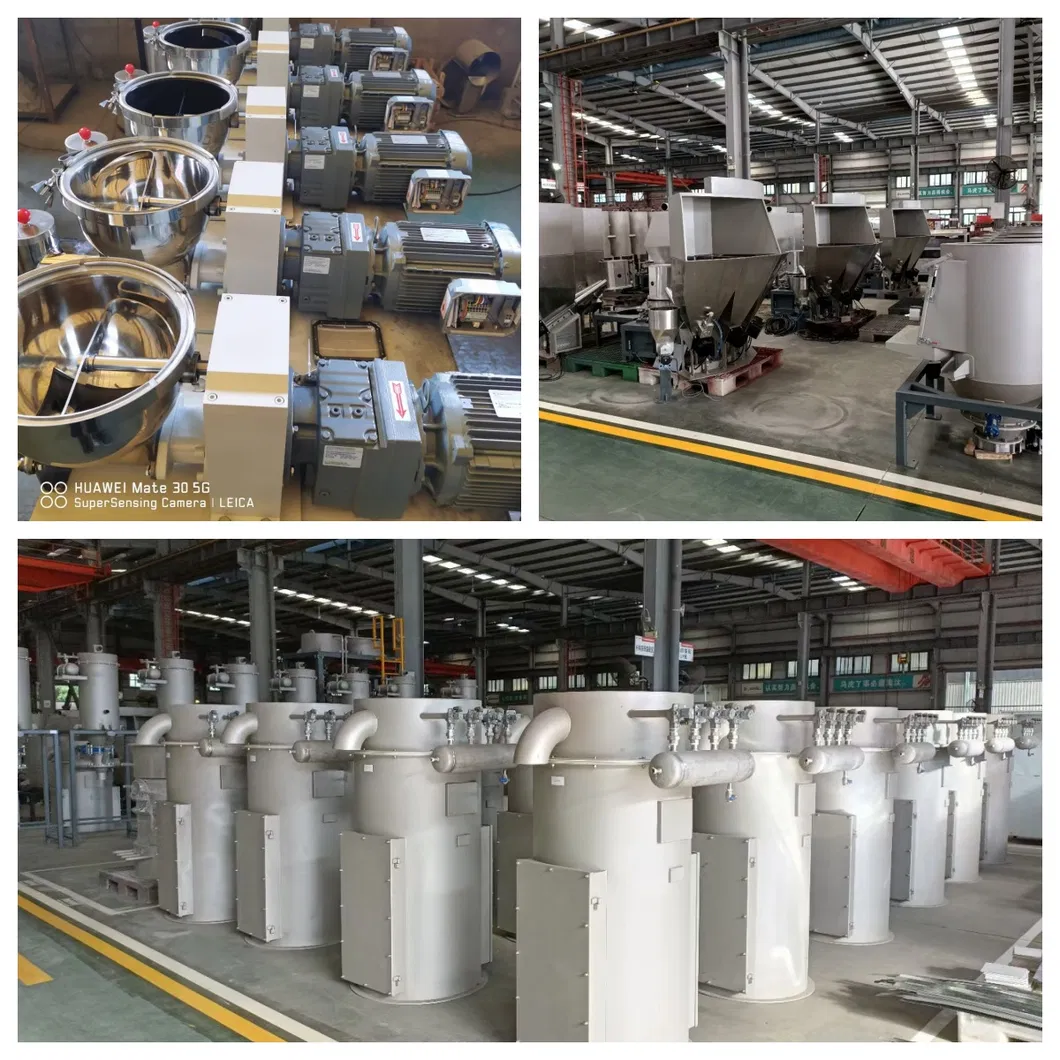
In the landscape of intelligent conveying systems, the passive gravity-based blending system stands out as an energy-efficient, low-maintenance solution dedicated to the homogeneous mixing of powder and granular materials. Distinguished from power-driven blending equipment that relies on motors or pneumatic devices, this system harnesses the natural force of gravity to drive material movement and mixing, making it an ideal choice for industries pursuing cost reduction, energy conservation, and simplified operation, such as building materials, bulk chemical processing, and feed production.
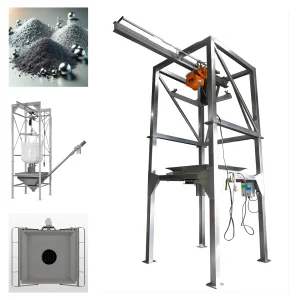
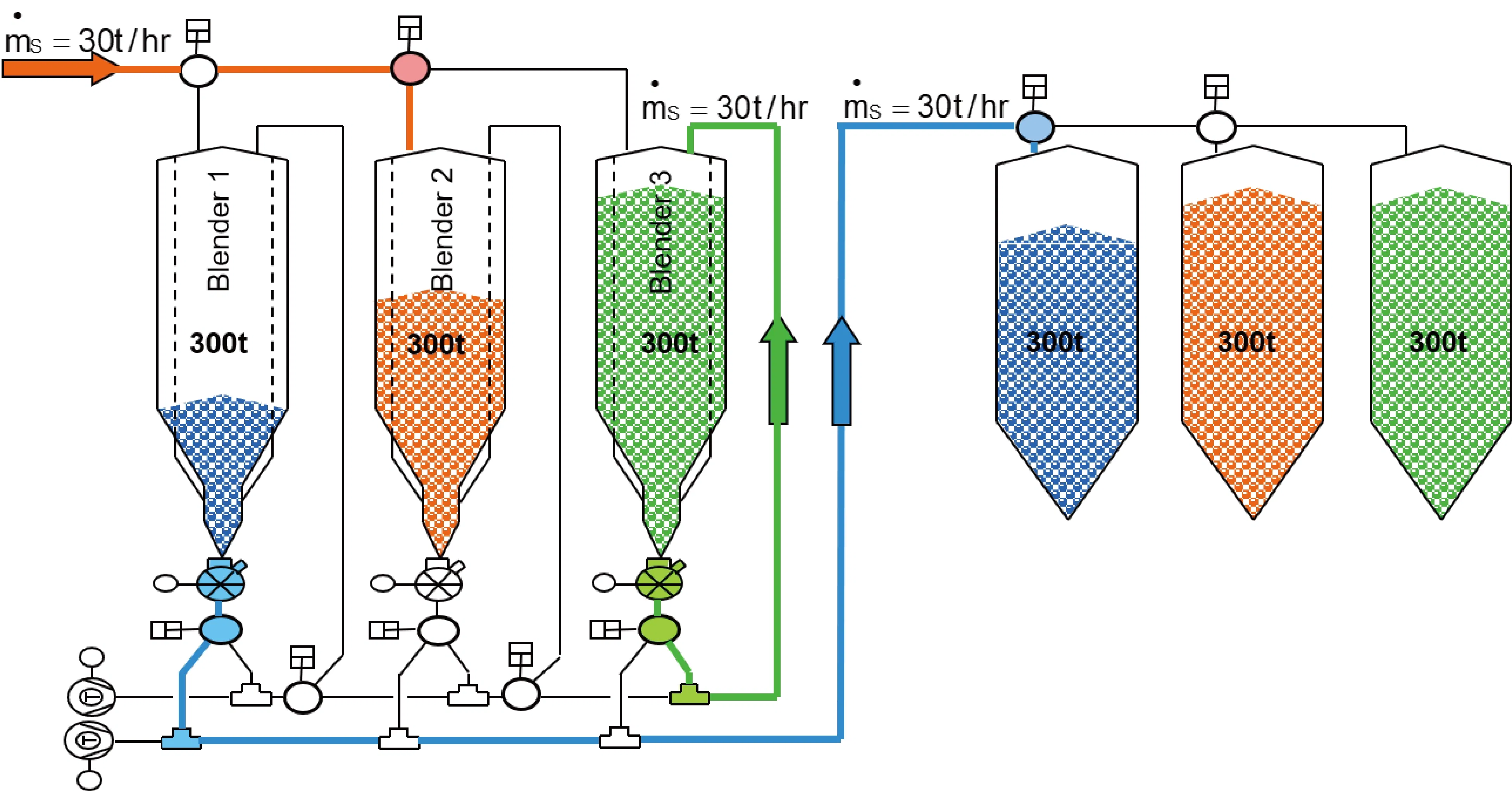
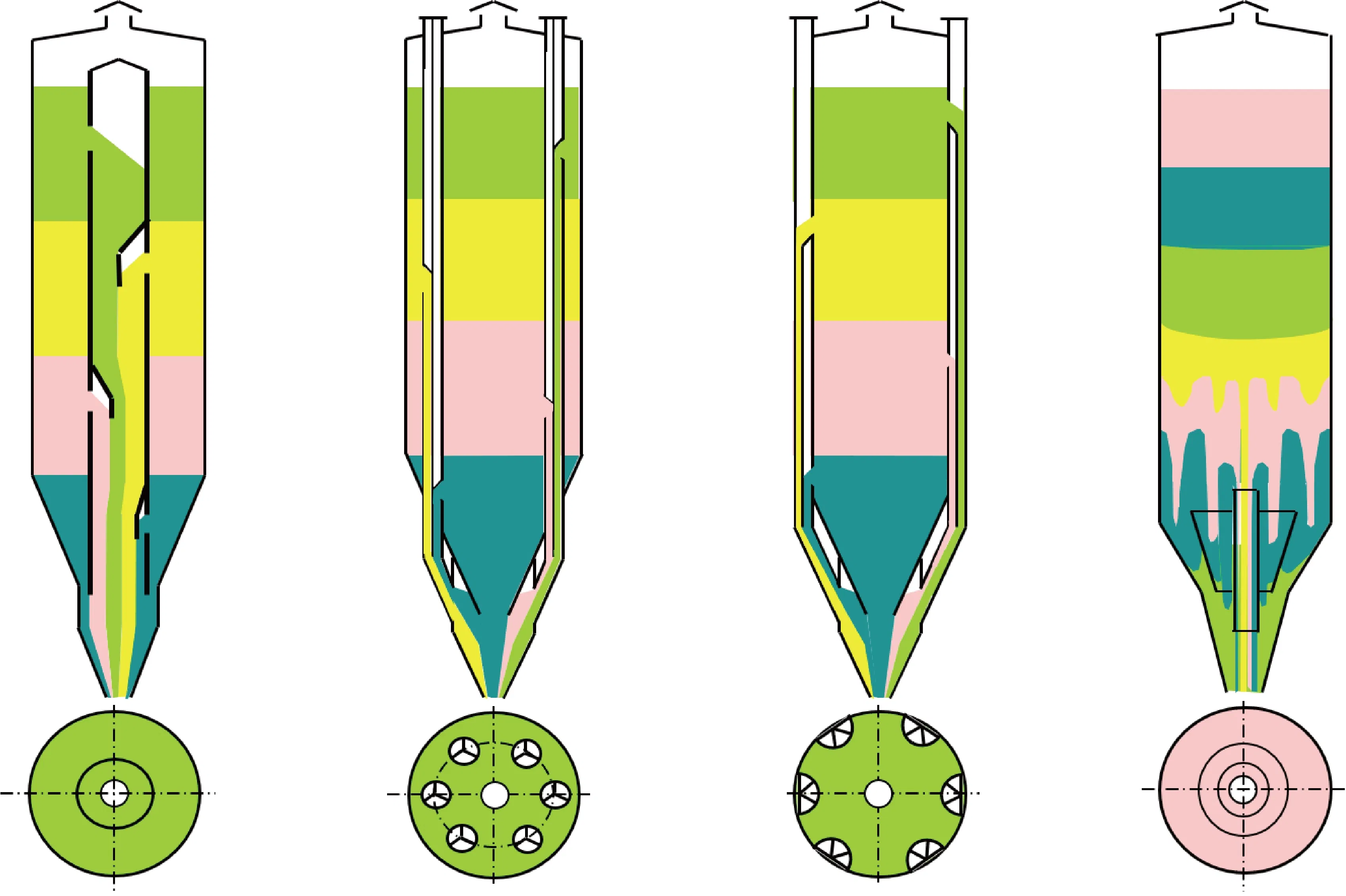
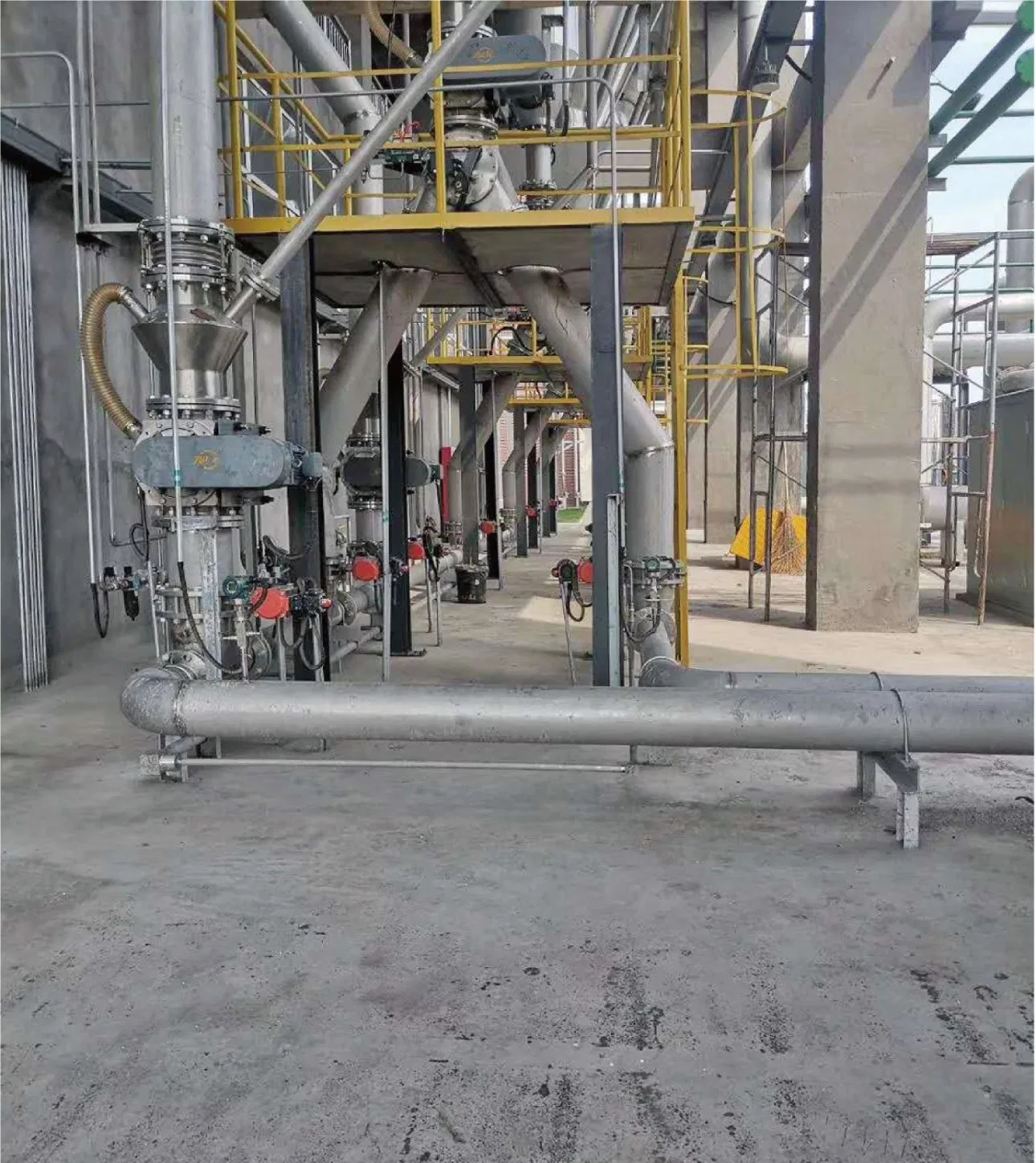
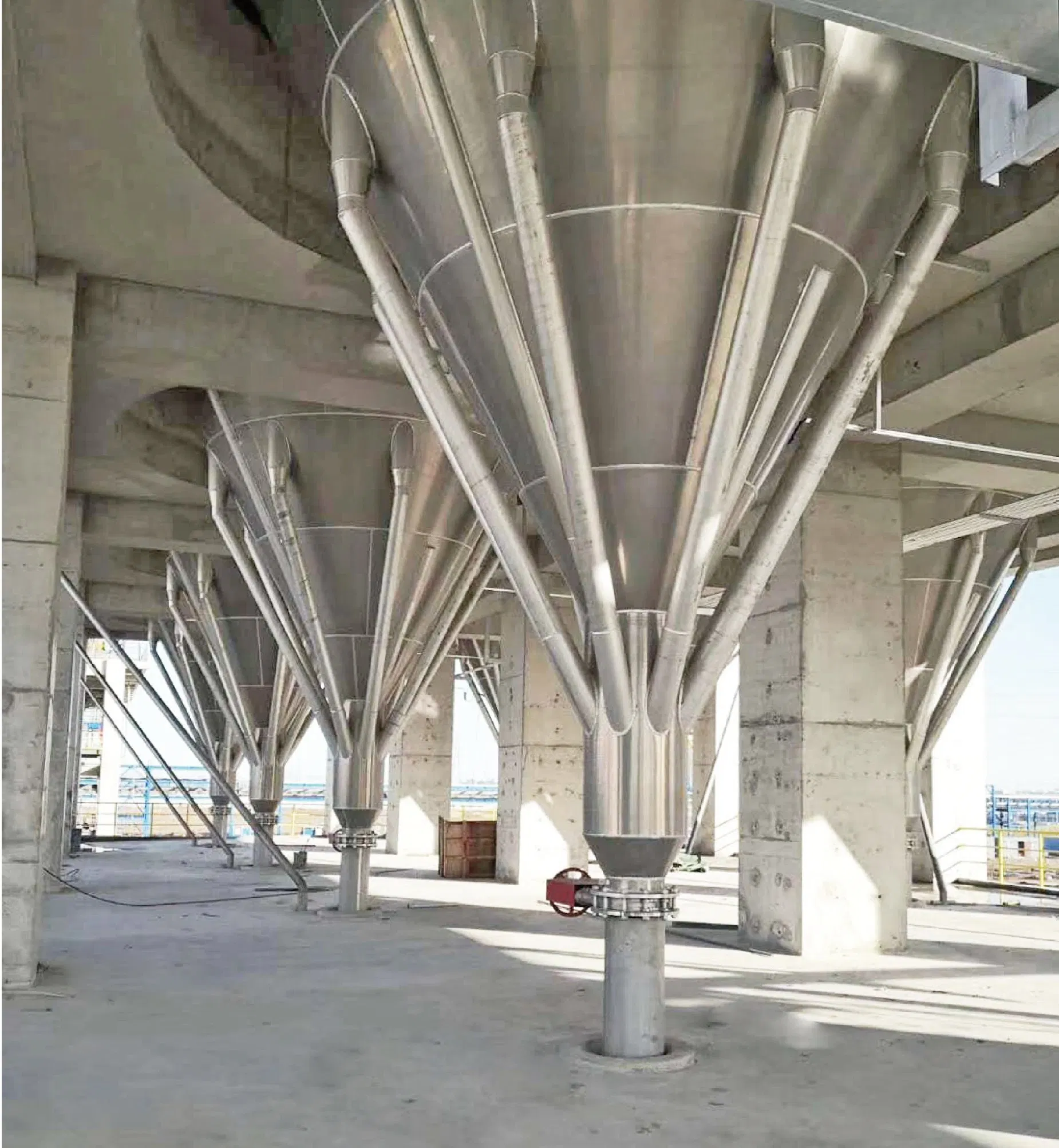
The core structure of the system consists of multi-inlet proportional distribution hoppers, inclined flow guide plates, and tapered blending chambers with optimized internal baffle designs. Material from upstream storage silos is first directed into the proportional distribution hoppers, where adjustable flow control to ensure each material component enters the blending zone at a preset ratio. As the materials descend along the inclined guide plates under gravity, they collide and intermingle repeatedly; the strategically placed baffles inside the blending chamber disrupt the material flow path, creating turbulent mixing effects that eliminate stratification and achieve uniform blending without any active power input.
For seamless integration with intelligent conveying systems, the gravity-based blending system is equipped with level sensors and flow rate monitors at key nodes. These sensors transmit real-time data on material inventory and flow status to the central PLC control system, which automatically adjusts the opening degree of the flow control to maintain the desired blending ratio. The system's passive design eliminates the need for complex power units and moving parts, significantly reducing equipment wear and maintenance costs while lowering the risk of material contamination caused by mechanical friction.
In terms of environmental and safety performance, the fully enclosed structure of the system prevents dust leakage during the blending process, ensuring compliance with workshop environmental standards. Its energy-free operation not only cuts down on electricity consumption but also reduces carbon emissions, aligning with the global trend of green manufacturing. Additionally, the system's modular design allows flexible expansion or modification to accommodate different production scales and material types, enhancing its adaptability to diverse industrial scenarios.
As intelligent manufacturing evolves toward sustainability, the passive gravity-based blending system is increasingly combined with IoT-enabled monitoring modules. By connecting to the industrial cloud platform, operators can remotely track blending uniformity and material consumption, enabling data-driven optimization of the blending process. As a green, efficient blending solution, it plays a vital role in upgrading intelligent conveying systems, helping enterprises balance production efficiency and environmental responsibility.
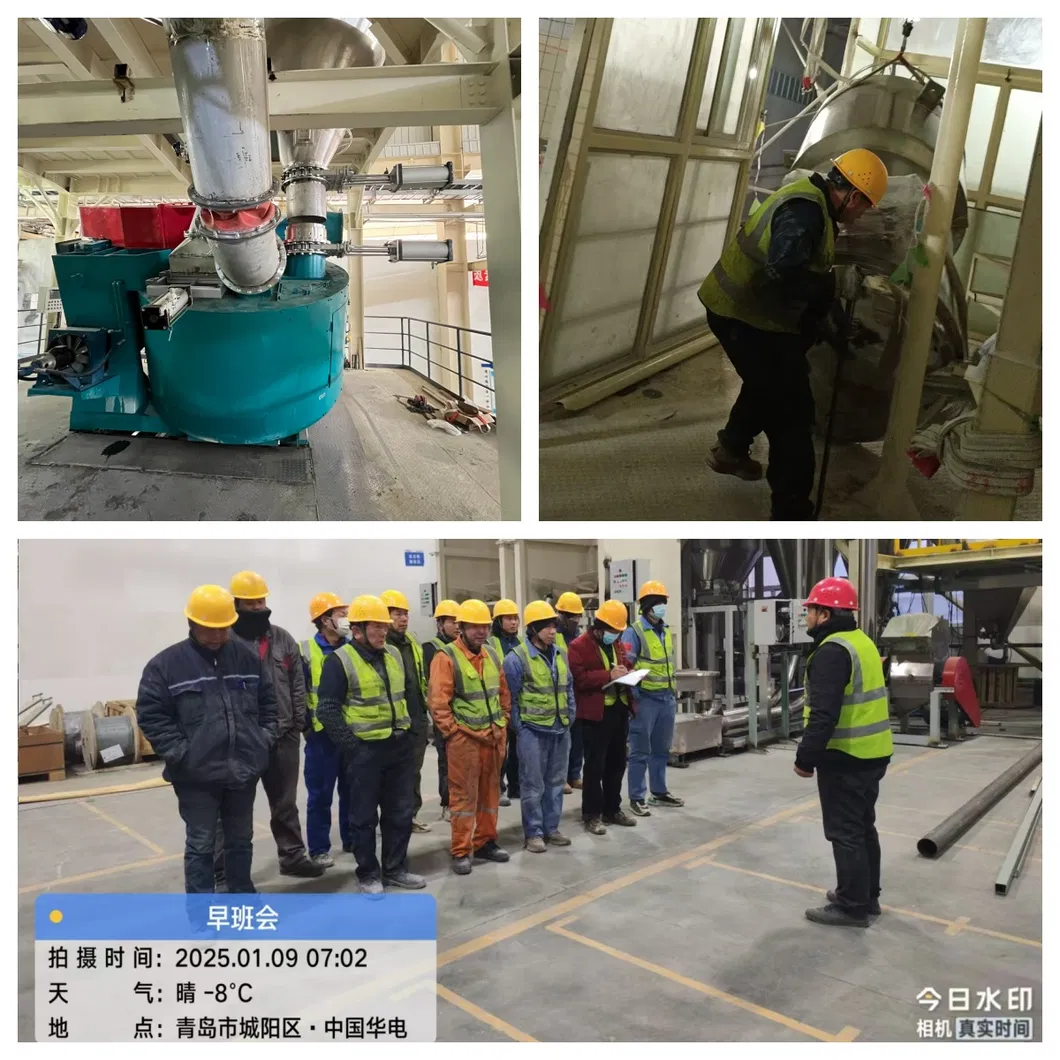
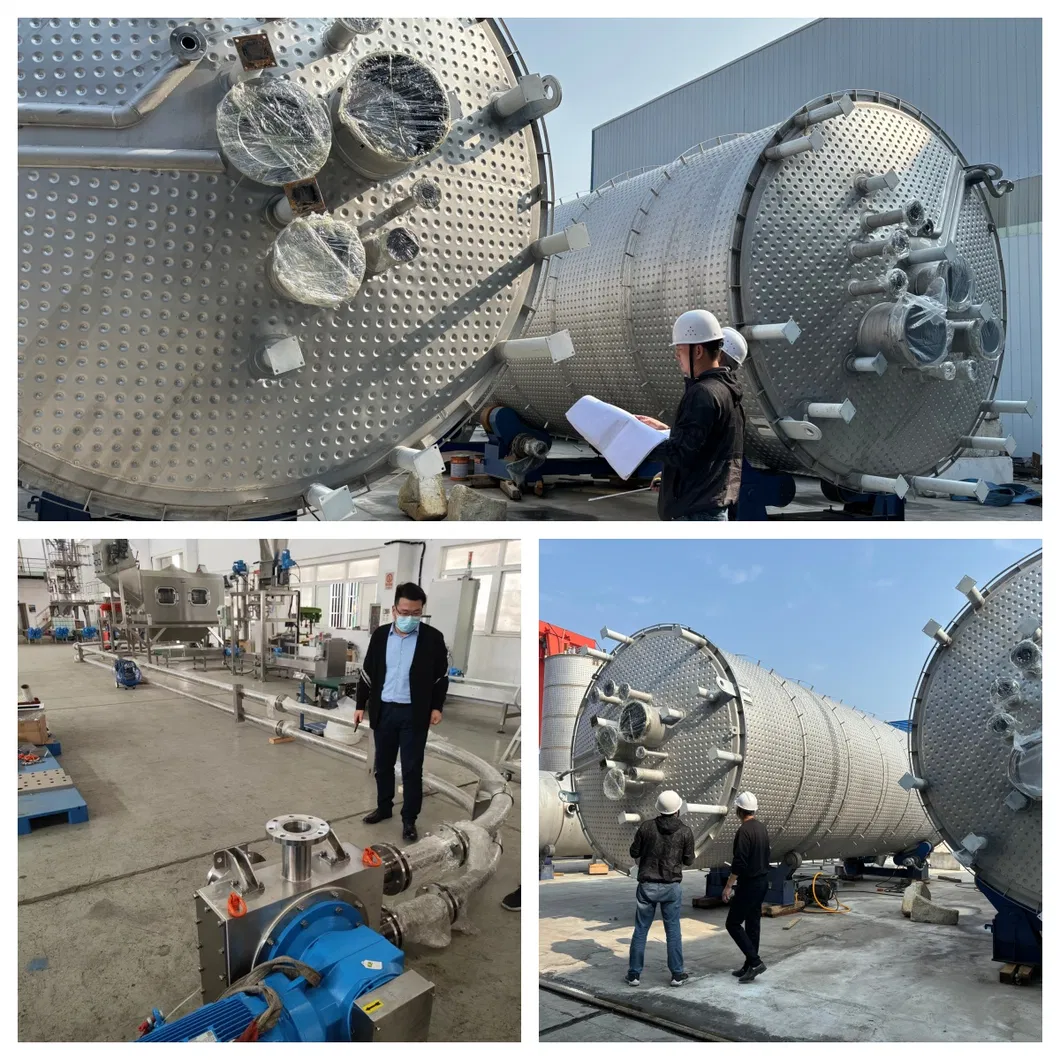
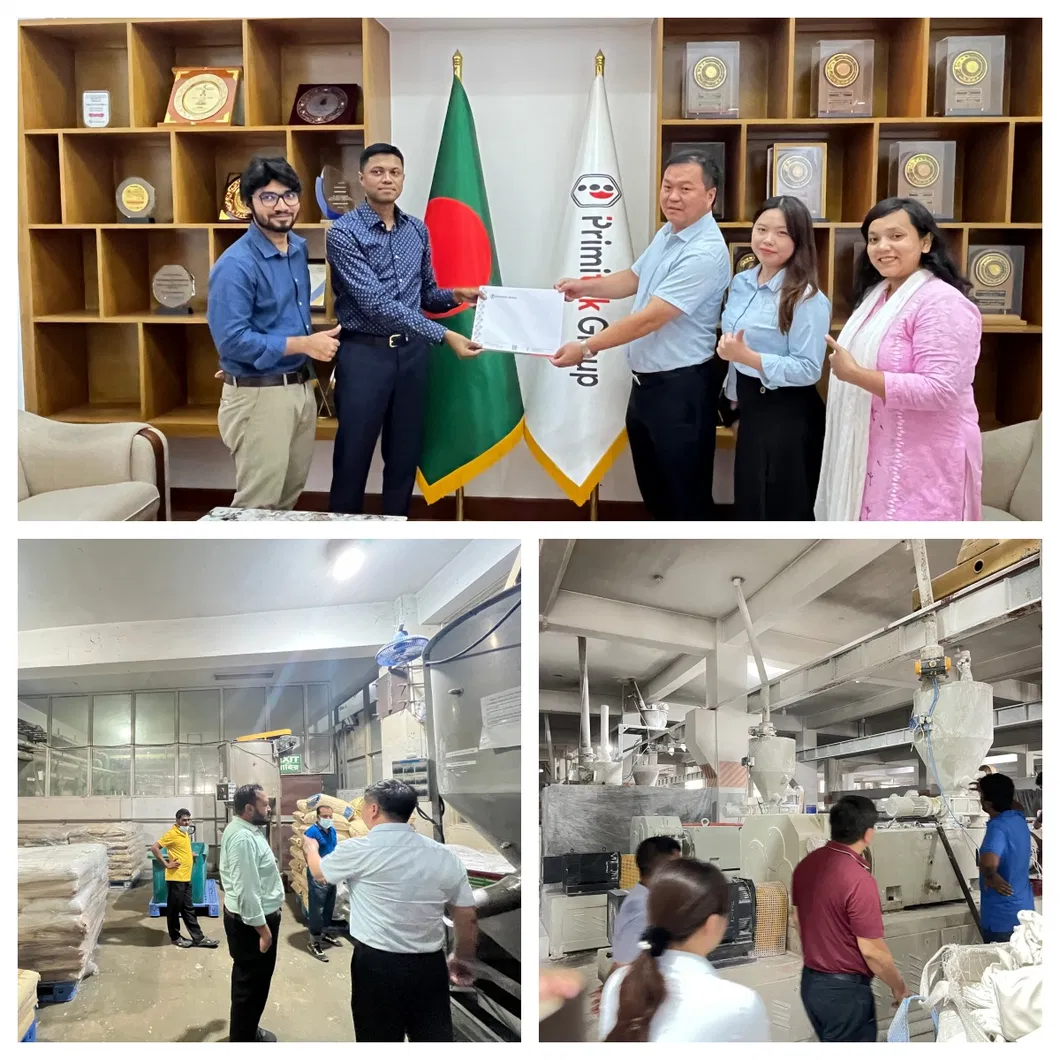
It is an energy-efficient, low-maintenance blending solution that uses the natural force of gravity instead of motors or pneumatic devices to mix powder and granular materials homogeneously.
Materials flow from storage silos through multi-inlet proportional distribution hoppers, sliding along inclined guide plates and internal baffles. This structural design disrupts the flow path and creates turbulent mixing to eliminate stratification naturally.
It is ideal for bulk handling industries looking for cost reduction and energy conservation, such as building materials production, bulk chemical processing, and feed manufacturing.
The system features level sensors and flow monitors at key nodes that feed data to a central PLC. The PLC automatically adjusts control valves to maintain precise preset blending ratios.
With no moving parts, the system minimizes mechanical wear and maintenance costs. Its fully enclosed design prevents dust leakage, while its unpowered operation cuts electricity usage and carbon emissions.
Yes, it can be paired with IoT-enabled monitoring modules connected to an industrial cloud platform, allowing operators to track blending uniformity and material consumption remotely.