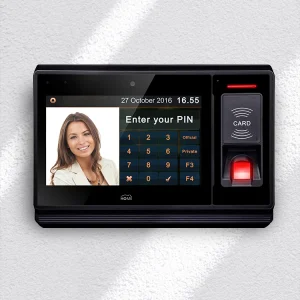
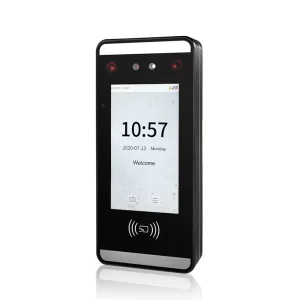
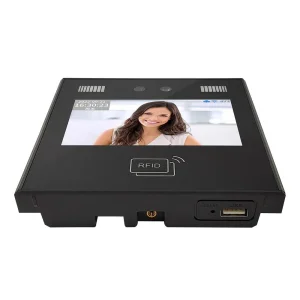
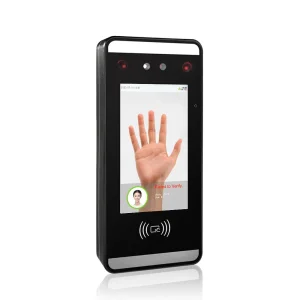
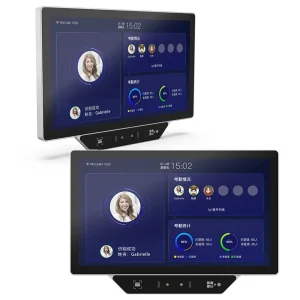
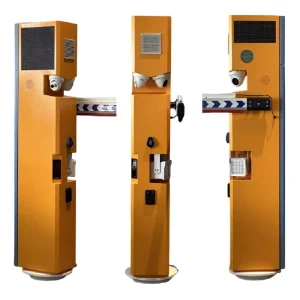
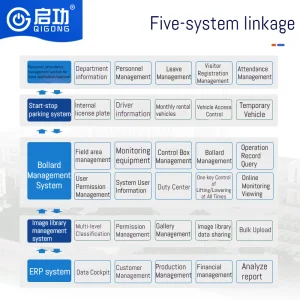
Deploying edge-computing microchip registration, attendance metrics, and biometric security gateways across New South Wales commercial facilities.
The Sydney metropolitan pet industry is experiencing an unprecedented structural transformation. Driven by high-density urban planning across suburbs such as Pyrmont, Waterloo, and Green Square, the ratio of multi-pet apartments is growing rapidly. This change presents significant challenges for domestic and commercial pet care facilities. Standard open-bowl feeding leads to cross-contamination, medication mismatches, behavioral food aggression, and metabolic imbalances.
To address these issues, RFID (Radio Frequency Identification) pet recognition feeding systems have evolved from high-end conveniences into essential infrastructure. By reading either the pet’s embedded veterinary microchip (operating at the standard LF 134.2 kHz frequency) or a specialized lightweight collar tag, these systems ensure that the food bowl unlocks exclusively for the authorized pet. This technology protects veterinary-prescribed diets and prevents food theft.
For veterinary clinics, smart boarding facilities, and specialized shelters in New South Wales, tracking pet health metrics is critical. Integrated RFID feeding solutions enable precise tracking of consumption history, feed frequency, and time-stamped behavior patterns. Incorporating high-performance Android-based biometric platforms and localized RFID technology enables operators to feed pets correctly while transmitting telemetry data directly to cloud-based practice management software.
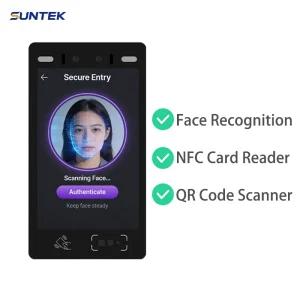
High-performance B2B hardware integrating smart RFID scanning, facial identification, and data synchronization for Sydney's expanding logistics and multi-tenant pet accommodations.
Developing a reliable RFID pet recognition feeding system requires addressing standard radio frequency limitations. Most consumer-grade microchip feeders suffer from "dead zones"—areas where the pet’s microchip is not detected due to orientation changes. We address this challenge by incorporating a dual-antenna matrix design. Operating at low frequencies (134.2 kHz), this matrix uses custom coils positioned around the feeder arch to ensure detection regardless of pet posture.
Furthermore, using metallic materials near RF fields usually detunes the antenna, causing signal degradation. Our engineering team addresses this by isolating the stainless steel feeding insert from the main chassis using high-density ABS spacers. This step ensures that the RF field remains stable, preserving consistent detection distances of 10 to 15 centimeters. This range is ideal for unlocking the feeding lid before the pet arrives, reducing behavioral stress.
A professional intelligent pet feeding manufacturer dedicated to developing innovative smart pet care hardware for global markets.
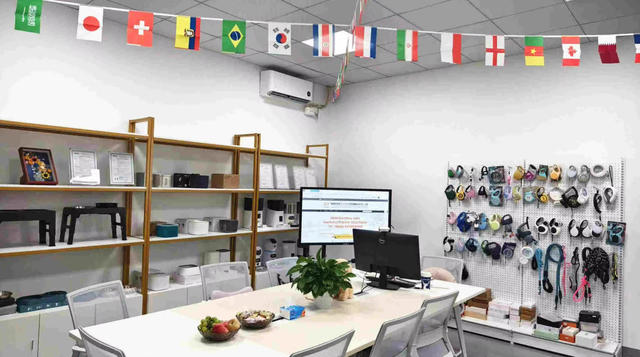
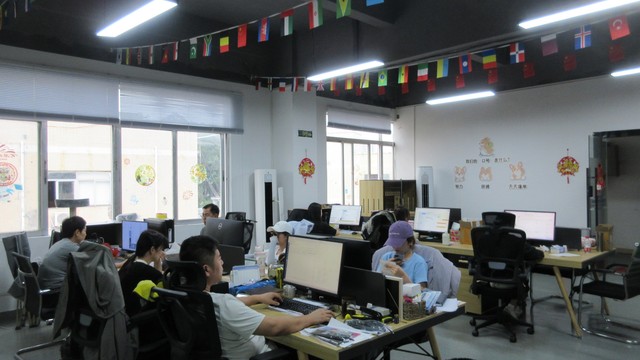
Chengdu MXI Paws Co., Ltd. is a specialized Intelligent Pet Feeding System Manufacturer focused on developing and producing smart pet care solutions for global brands, distributors, retailers, and e-commerce companies. Leveraging years of experience in pet technology, we specialize in designing reliable smart automatic pet feeder solutions for cats and dogs that combine convenience, precision, and modern connectivity.
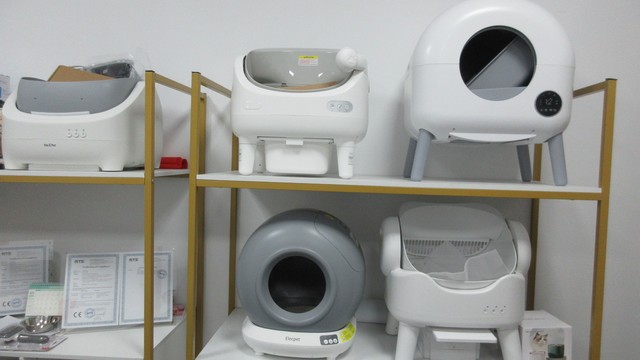
Our product portfolio includes WiFi-enabled automatic pet feeders, app-controlled feeding systems, portion control feeders, camera-equipped pet feeders, voice recording feeders, dual-bowl feeding systems, RFID pet recognition feeders, large-capacity food dispensers, battery backup feeding units, and integrated smart feeding and hydration solutions. Every product is engineered to help pet owners maintain healthy feeding schedules while ensuring pets receive the right amount of food at the right time.
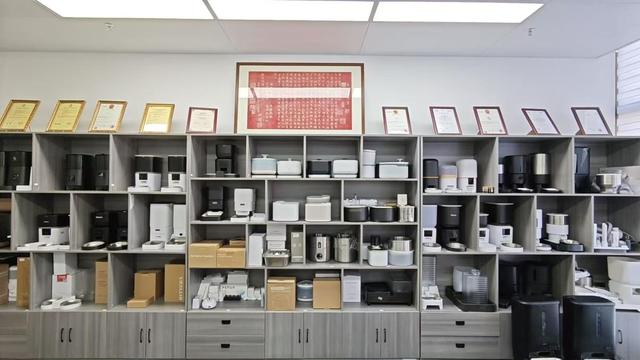
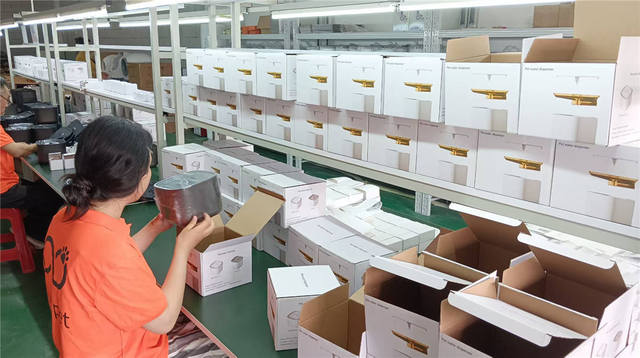
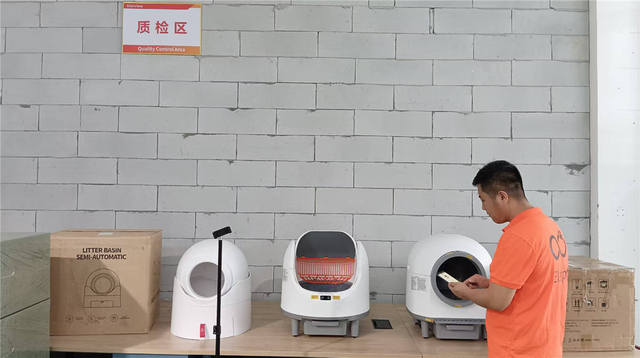
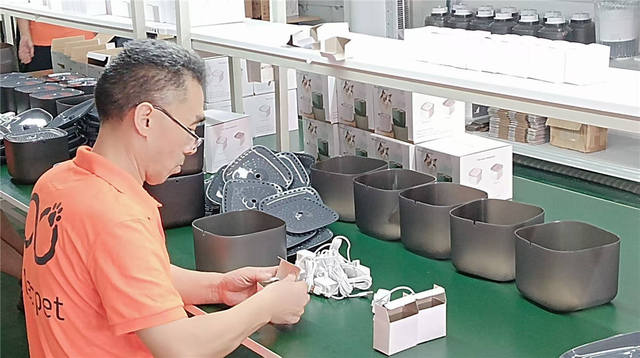
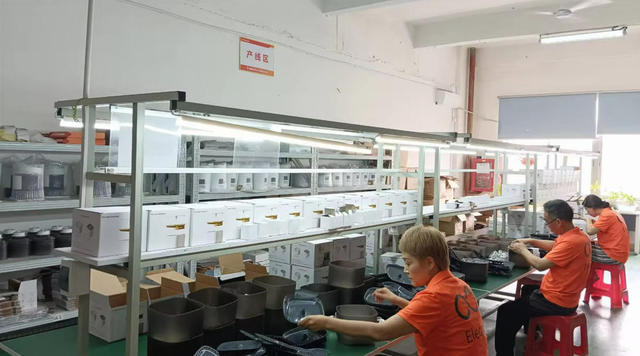
Equipped with advanced manufacturing facilities, automated production lines, and strict quality management systems, Chengdu MXI Paws Co., Ltd. delivers products that meet international quality standards. Our engineering team continuously invests in intelligent hardware development, IoT connectivity, and user-friendly mobile applications to provide smarter and more reliable feeding experiences.
As an experienced OEM and ODM manufacturer, we offer customized product development, industrial design, private label services, logo customization, packaging design, firmware optimization, and flexible production solutions tailored to different market requirements. From concept development to mass production, we work closely with customers to accelerate product launches and strengthen brand competitiveness.
Today, MXI Paws products are exported to Europe, North America, Southeast Asia, Australia, and many other international markets. Guided by innovation, quality, and customer satisfaction, Chengdu MXI Paws Co., Ltd. remains committed to becoming a trusted global partner for intelligent pet feeding systems and comprehensive smart pet care solutions.

Answers to technical, regulatory, and integration queries from Sydney pet service operators and global buyers.
Our systems utilize highly directional loop antennas with variable gain settings. This design allows operators to calibrate the signal reception field to the specific footprint of the feeding unit. The reader ignores signals outside the immediate feeding zone, preventing crosstalk even when units are placed next to each other.
Yes, our RFID readers are fully compatible with the ISO 11784/11785 standard (FDX-B), which operates at 134.2 kHz. This is the primary standard used for microchipping pets in Sydney and across Australia, ensuring seamless integration without requiring specialized collar tags.
All shipments bound for Sydney and the broader Australian market comply with ACMA standards. The electronics bear the Regulatory Compliance Mark (RCM) and are certified under relevant electrical safety standards. In addition, all materials in contact with pet food are FDA-certified food-grade and BPA-free.
Yes, we provide a comprehensive SDK/API for all smart models. This allows developers to connect local veterinary databases, schedule feeding times based on medical requirements, and receive real-time consumption reports over secure MQTT/REST connections.
Our units feature a dual power source configuration. If the primary AC power supply fails, the system automatically switches to internal backup batteries. Feeding schedules and registration data are stored locally in non-volatile flash memory, ensuring the device continues to function without internet connectivity.
Select from our certified range of biometric terminals and RFID scanning systems tailored for commercial distribution across Australia and global hubs.
 MXI Paws