
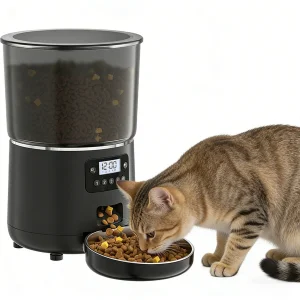
The global smart pet care market is undergoing a structural transition. Driven by high urbanization rates, changing lifestyles, and the rise of IoT-enabled household products, consumer expectations have progressed from simple mechanical feeding bowls to complex, autonomous, and data-driven food dispensing robots. B2B importers, distributors, and large-scale retailers are seeking out global manufacturing partners capable of delivering products that balance cutting-edge software ecosystems, fail-safe mechanical structures, and comprehensive compliance certificates like the European Union's CE Mark.
Modern food dispensing systems are no longer passive holding tanks. They integrate sophisticated hardware and software pipelines: load cells for weight telemetry, computer vision with Edge AI algorithms for facial and species recognition, dynamic power management circuits, and anti-clogging auger mechanisms. For global brands, selecting a supplier isn't just about unit price—it's about compliance, product reliability, firmware stability, and manufacturing scale.
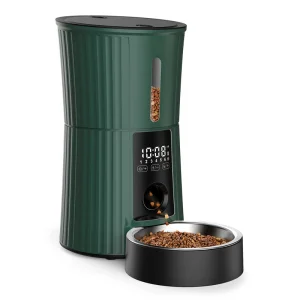
Chengdu MXI Paws Co., Ltd. is a professional Intelligent Pet Feeding System Manufacturer dedicated to developing and manufacturing innovative smart pet care solutions for global brands, distributors, retailers, and e-commerce businesses. With years of experience in intelligent pet technology, we specialize in designing reliable smart automatic pet feeder solutions for cats and dogs that combine convenience, precision, and modern connectivity.
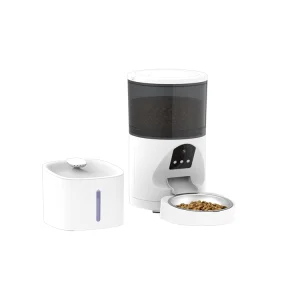
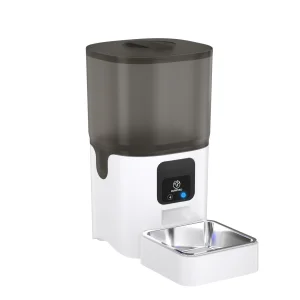
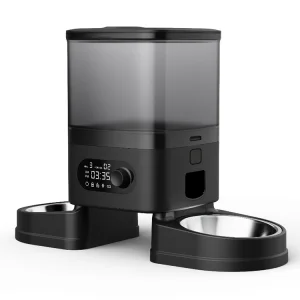
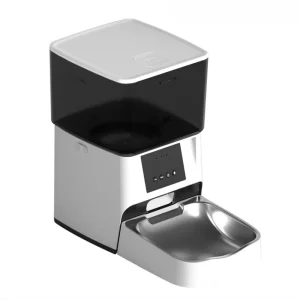
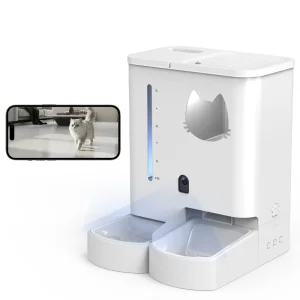
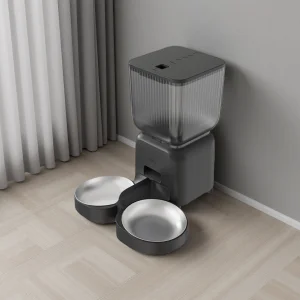
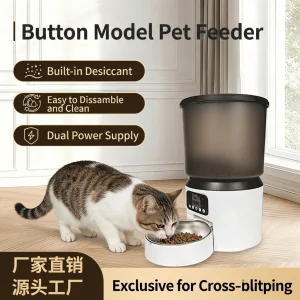
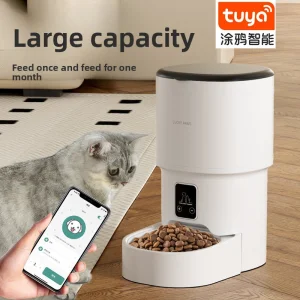
Our comprehensive product portfolio is built upon strict engineering benchmarks. It includes WiFi-enabled automatic pet feeders, app-controlled feeding systems, portion control feeders, camera-equipped pet feeders, voice recording feeders, dual-bowl feeding systems, RFID pet recognition feeders, large-capacity food dispensers, battery backup feeding units, and integrated smart feeding and hydration solutions. Every product is engineered to help pet owners maintain healthy feeding schedules while ensuring pets receive the right amount of food at the right time.
Equipped with advanced manufacturing facilities, automated production lines, and strict quality management systems, Chengdu MXI Paws Co., Ltd. delivers products that meet international quality standards. Our engineering team continuously invests in intelligent hardware development, IoT connectivity, and user-friendly mobile applications to provide smarter and more reliable feeding experiences.
To successfully distribute electronics in the European Economic Area (EEA), compliance with CE (Conformité Européenne) directives is non-negotiable. For a product category combining electric motors, wireless connectivity (WiFi/Bluetooth), food-contact plastics, and power adapters, several regulations apply simultaneously. A certified supplier must prove compliance across multiple standards:
"Food safety is as critical as electrical safety. Under the EU Food Contact Materials Regulation (EC) No 1935/2004, all surfaces in contact with kibble—such as our ABS storage bins, food impellers, and SUS304 stainless steel bowls—must remain inert, preventing any chemical migration into pet food."
Procuring uncertified equipment leads to customs seizures, hefty regulatory fines, and brand damaging recalls. By sourcing from a verified CE-compliant supplier like Chengdu MXI Paws, retail chains and digital brands enjoy direct import clearance, low liability insurance premiums, and friction-free access to discerning retail channels.
| Compliance Category | Applicable Standards | Verified Component Testing | B2B Sourcing Security Benefit |
|---|---|---|---|
| Wireless Safety | EN 300 328, EN 62311 | 2.4GHz WiFi / Bluetooth RF Testing | No RF signal issues, smooth App binding |
| Electrical Protection | EN 60335-1, EN 62233 | Insulation resistance, leakage current | No shock hazard for pets, zero fire risks |
| Material Integrity | LFGB, FDA Title 21 | Plastics chemical composition testing | No toxic leaching, food-grade storage guarantee |
| Eco-Compliance | WEEE & RoHS 2.0 | Component eco-audit, lead-free solder | Hassle-free European e-waste recycling |
As an industry-leading manufacturer based in Chengdu, China, Chengdu MXI Paws Co., Ltd. leverages a highly concentrated and efficient industrial ecosystem. While coastal regions focus on low-end assemblies, our Western China facility integrates top-tier R&D talent with high-speed supply chain connectivity.
As an experienced OEM and ODM manufacturer, we offer customized product development, industrial design, private label services, logo customization, packaging design, firmware optimization, and flexible production solutions tailored to different market requirements. From concept development to mass production, we work closely with customers to accelerate product launches and strengthen brand competitiveness.
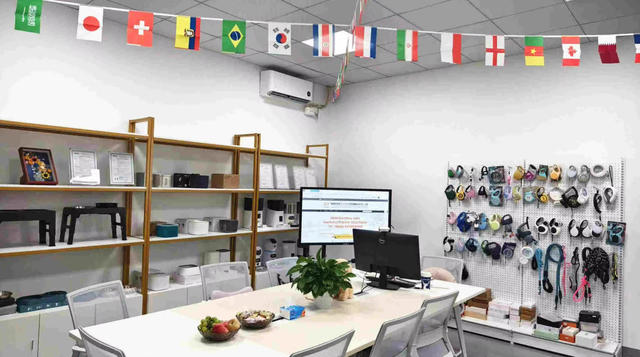
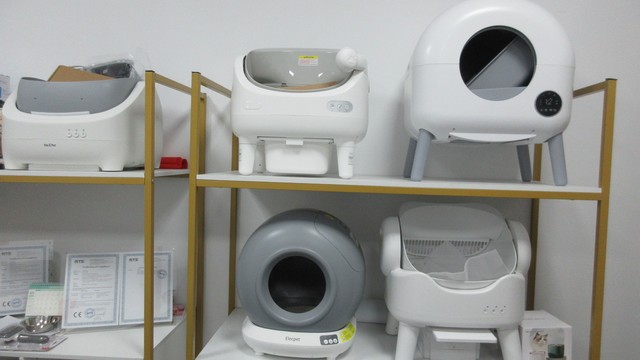
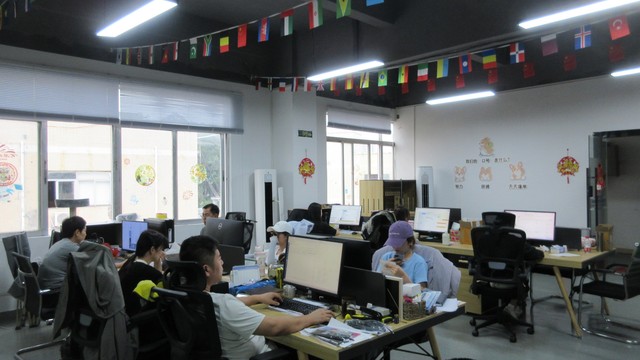
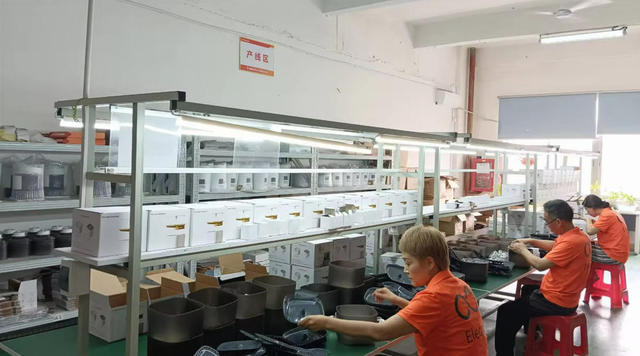
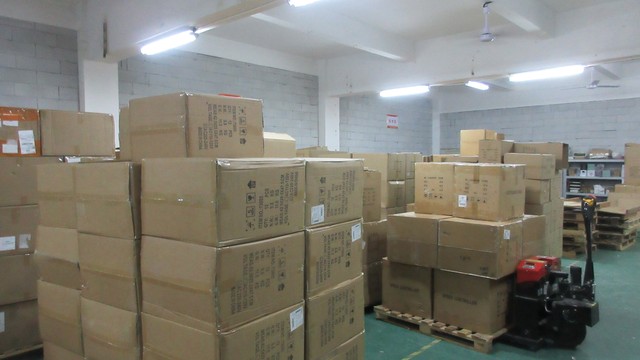
Below is a look inside our certified production facility. We strictly adhere to ISO 9001 standards, ensuring that raw material inspection, line assembly, aging tests, and final packaging are executed with strict precision.


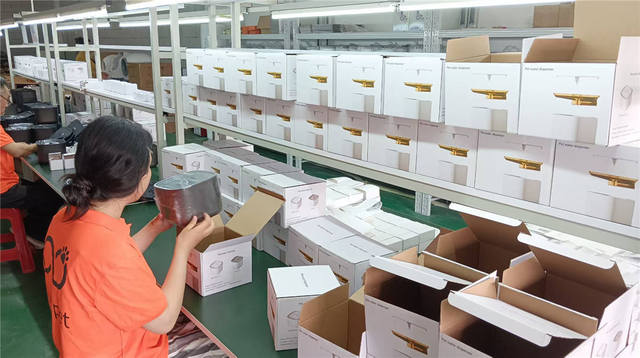
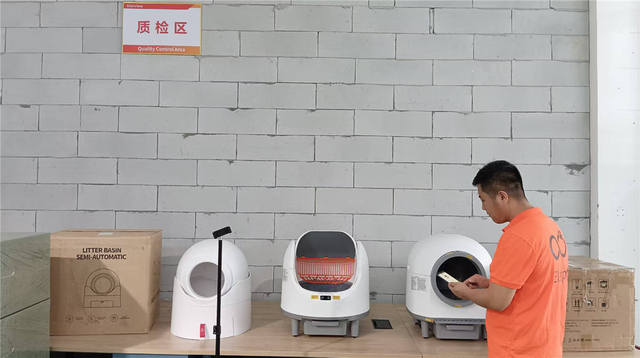
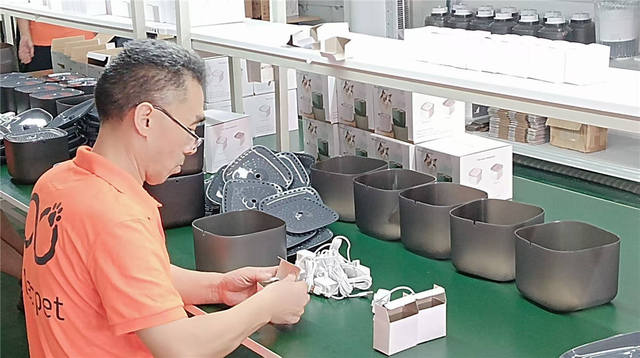
Automation in food dispensing is not one-size-fits-all. The demands differ significantly across localized environments. Understanding these specific application scenarios allows our B2B partners to market the products precisely to the end users.
In modern urban households, pets are treated like family members, requiring personalized care plans. Pet owners need smart WiFi-enabled dispensers to coordinate daily portions, track dietary trends, and view live feeds of their pets when they are at work. The integration of App control, two-way audio, and portion scale alerts meets this demand, converting standard pet feeders into essential interactive hubs.
Veterinary clinics rely on precise portion measurements and sterile environments. Our CE-certified feeders with dual-bowl configurations and stainless-steel components facilitate sanitary, touchless feeding schedules, preventing cross-contamination inside recovery areas.
Commercial pet boarding facilities leverage large-capacity dispensers. Integrating automated RFID tag recognition systems allows operators to manage customized diets for multiple pets sharing the same living spaces, ensuring dominant animals do not consume the portions of weaker ones.
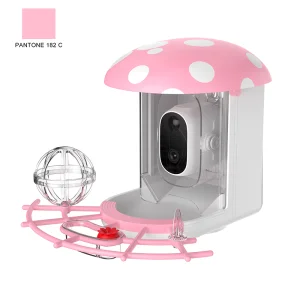
Biodiversity observation is shifting toward intelligent automation. The integration of AI wildlife camera bird feeders powered by solar cells allows scientists and nature enthusiasts to identify bird species remotely, log animal behavior, and maintain continuous, weather-resistant feeding stations in remote locations.
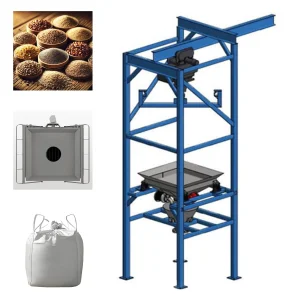
For settings that require bulk material processing—such as small-scale manufacturing or pet food processing workshops—our high-capacity big bag feeding systems provide continuous, automated control loops. They prevent clumping and maintain a steady product stream via volumetric feeding mechanisms.
To stay ahead of the competition, businesses must align their product portfolios with upcoming technological advances. Over the next three to five years, we anticipate significant development in several areas:
Our robots feature a dual-direction silicone impeller coupled with a high-torque motor. When internal optical sensors detect a kibble block, the onboard MCU automatically reverses the rotor to clear the bridge before returning to the original feeding cycle. This mechanics-software loop eliminates jamming across kibble diameters up to 15mm.
For standard OEM orders featuring custom branding and packaging, the Minimum Order Quantity (MOQ) is generally 1,000 units, with a factory lead time of 30 to 45 days. ODM projects requiring mold modifications depend on prototype validation timelines, typically ranging from 60 to 90 days.
Yes, we provide full technical documentation including EMC, LVD, RED, and RoHS test reports issued by accredited laboratory partners (such as SGS, TUV, or Intertek). Sourcing managers can request these files during our initial contract review to accelerate their compliance auditing.
Our dispensers feature a dual-power sourcing system. Under normal operations, the device uses standard micro-USB or USB-C inputs. If power fails, the device switches automatically to 3 D-cell batteries. The onboard memory chip maintains all feeding schedules locally, ensuring continuous dispensing even without WiFi connectivity.
 MXI Paws