Seeing your pet finish a full feeder portion, then beg beside the empty bowl, can feel confusing. You may wonder, “why is my pet overeating from automatic feeder” when the device seems designed to control meals. The problem may involve more than simple hunger. An incorrect portion setting, frequent dispensing, boredom, stress, or another pet stealing food can quietly increase daily calories. Even a small error matters. One extra scoop each day can contribute to weight gain over several weeks.
This guide explores seven practical tips for understanding and managing overeating around an automatic feeder. You will learn how to check serving measurements, review feeding schedules, and observe your pet’s behavior between meals. A kitchen scale can reveal whether the feeder releases the advertised amount. A phone camera may show midnight eating, repeated begging, or food competition when you are away. Helpful details matter.
Still, an automatic feeder cannot diagnose illness. Increased appetite may sometimes accompany diabetes, thyroid disease, intestinal problems, medication effects, or other medical concerns. A veterinarian should assess sudden hunger, rapid weight changes, excessive thirst, vomiting, or unusual tiredness. These signs deserve attention. Do not rely on guesswork.
Some feeder instructions can also be surprisingly unclear, and pet owners may assume “one portion” means one measured cup. It may not. I have learned that even careful routines need checking, especially after changing food brands or schedules. With accurate records, sensible adjustments, and professional guidance, you can make mealtimes calmer and safer for your pet.
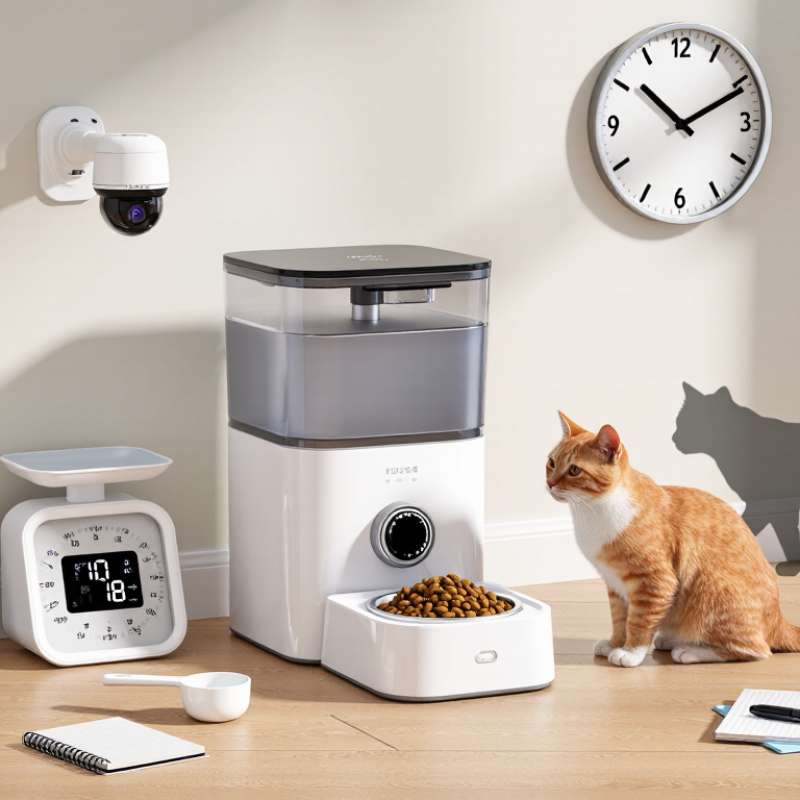
Why Is My Pet Overeating From an Automatic Feeder? 7 Tips
Common reasons pets overeat from automatic feeders include oversized portions, frequent meal times, and easy access to stored food. Check the feeder’s actual output with a kitchen scale. A “small” serving may be larger than expected. Calorie-dense food can also make each portion surprisingly powerful. Adjust portions using your pet’s weight, age, activity, and veterinary guidance.
Boredom, anxiety, and competition can drive repeated eating. Some pets wait beside the feeder because food has become their main daily event. Add short play sessions, gentle training, or food puzzles when appropriate. In homes with several animals, one pet may steal another’s meal. Feed pets separately and watch the first few days. I once assumed hunger was the issue, but the real problem was an unmeasured second meal.
Feeder errors deserve attention too. Kibble may spill after dispensing, or a sensor may misread the remaining amount. Clean the chute and compare scheduled servings with the food actually used. Keep a simple three-day food log, including treats and table scraps. If overeating continues, look for increased thirst, vomiting, weight change, or unusual restlessness. These signs can suggest a medical problem, not merely poor feeding habits. A veterinarian should assess persistent changes, especially in older pets. The plan may need revision.
| No. | Common Reason | What You May Notice | Why Automatic Feeders Can Contribute | Practical Tip | When to Contact a Veterinarian |
|---|---|---|---|---|---|
| 1 | Portion sizes are too large | The pet finishes every meal quickly, gains weight, or receives more calories than intended. | Many feeders dispense by volume, while kibble size and density vary. A “cup” of one food may contain more calories than a cup of another. | Check the food’s calorie information and measure daily portions with a kitchen scale when possible. Count treats and food used for medication. | Seek advice if weight continues to increase despite accurately measured portions. |
| 2 | The feeding schedule is not matched to the pet | The pet begs between meals, wakes the household for food, or eats unusually fast. | Fixed schedules may provide food too frequently or leave long gaps, depending on age, health, activity, and household routine. | Divide the veterinarian-approved daily amount into suitable meals rather than adding extra feedings. | Young, elderly, pregnant, nursing, or medically treated pets may need an individualized schedule. |
| 3 | Food is available to more than one pet | One pet gains weight while another appears hungry, or the food compartment empties sooner than expected. | A shared feeder cannot reliably show which animal ate each portion. Competition may also encourage rapid eating. | Feed pets separately and record each animal’s daily intake. Use supervised meals if necessary. | Arrange a checkup if food guarding, fighting, or sudden changes in eating behavior occur. |
| 4 | Boredom, stress, or learned begging | The pet repeatedly waits near the feeder, vocalizes, or seeks food when bored or alone. | Frequent food delivery can become a predictable reward, even when the pet is not physically hungry. | Add play, exercise, training, grooming, and food puzzles. Avoid adding calories whenever the pet begs. | Ask for professional guidance if anxiety, destructive behavior, or major routine changes accompany overeating. |
| 5 | Feeder settings or dispensing are inaccurate | The amount released seems inconsistent, the motor jams, or the pet receives duplicate meals. | Food size, moisture, low batteries, blocked outlets, and programming errors can change the actual amount dispensed. | Test several dispensing cycles, weigh the output, inspect the chute, and keep a backup feeding plan. | Contact a veterinarian if the pet may have eaten a very large amount or develops vomiting, diarrhea, or abdominal discomfort. |
| 6 | Activity level has decreased | The pet eats the same amount as before but exercises less, sleeps more, or gradually gains weight. | Automatic feeding maintains the same calorie delivery even when weather, age, injury, neutering, or lifestyle reduces energy needs. | Track body weight and body condition regularly, then adjust calories gradually with veterinary advice. | Schedule an examination for unexplained lethargy, difficulty moving, or rapid weight change. |
| 7 | An underlying medical condition is increasing appetite | Persistent hunger occurs with weight loss, increased thirst or urination, vomiting, diarrhea, or a change in coat or energy. | The feeder may make the increased appetite more noticeable, but it is not necessarily the root cause. | Do not impose a severe diet restriction without veterinary guidance. Record food intake, weight, symptoms, and medication. | Arrange a prompt veterinary examination, especially when increased appetite is paired with weight loss or other symptoms. |
The portion may be larger than expected. Easy access, frequent meals, boredom, anxiety, or food competition can also encourage repeated eating.
Weigh each serving with a kitchen scale. Compare the scheduled amount with the food actually dispensed and eaten.
Yes. Small pieces may flow unevenly or spill after dispensing. Check the chute for jams, leaks, or double releases.
Use your pet’s weight, age, activity, and veterinary guidance. Divide the daily amount into smaller meals when helpful.
Yes. Some pets wait beside the feeder because food becomes their main daily activity. Add short play sessions, gentle training, or suitable food puzzles.
Feed animals separately and observe them during the first few days. A second meal can be easy to miss.
Keep a three-day log of meals, treats, table scraps, water, weight, and bathroom changes. A simple video of the feeder may also help.
Seek advice when overeating is sudden, persistent, or paired with weight loss. Increased thirst, frequent urination, vomiting, diarrhea, or weakness also matter.
Repeated unproductive retching, collapse, breathing difficulty, severe pain, or a swollen abdomen require emergency assessment. Do not wait.
No. Do not cut food drastically without professional guidance. I might blame the feeder too quickly; the real issue could be medical.
If you are wondering, “why is my pet overeating from automatic feeder,” several factors may be involved. Incorrect portion settings, inaccurate dispensing, frequent scheduled meals, boredom, stress, or strong food-seeking habits can all lead to excessive eating. Check the feeder’s clock, meal frequency, serving size, and actual portion output by measuring several servings. Compare these amounts with your pet’s daily nutritional needs, and remember to include treats and food given by other family members.
A controlled feeding plan can help prevent repeated meals and begging. Set consistent meal times, limit access to extra food, use play and enrichment to reduce boredom, and avoid rewarding persistent food-seeking behavior. Monitor your pet’s weight, appetite, water intake, and activity level regularly. If overeating continues despite accurate settings and a structured routine, or if it occurs with excessive thirst, vomiting, diarrhea, lethargy, or sudden weight changes, consult a veterinarian to check for possible medical causes.

 MXI Paws