Understanding why your feeder is not dispensing food can be frustrating. Many pet owners face this issue, and it can disrupt your pet's feeding routine. A well-functioning feeder is essential for your animal's health and happiness. If you’re asking, "why is my feeder not dispensing food?" you are not alone.
Several factors could be at play here. Sometimes, food can clump together, blocking the dispenser. Other times, the mechanism could be jammed due to dirt or wear. It's also possible that the feeder is malfunctioning due to electrical issues or poor design. Each scenario requires a different approach to resolve.
Take a moment to reflect on your feeder's maintenance. Regular cleaning and inspection can prevent many common problems. If your feeder is unresponsive, it may be time for a deeper examination. Understanding these potential issues can guide you in restoring your feeder to optimal function.
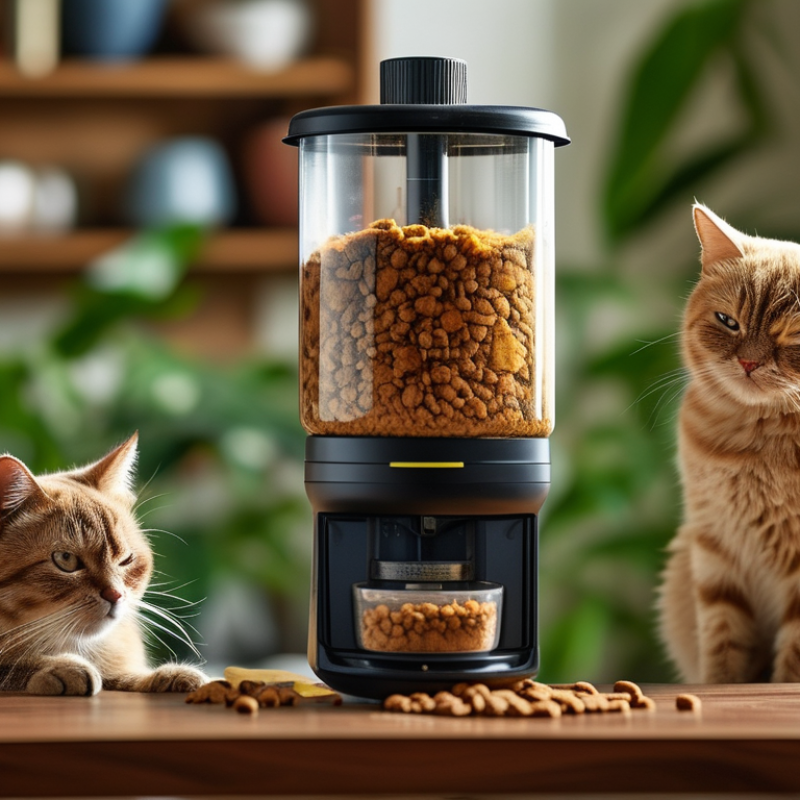
Feeder malfunctions can be frustrating. Understanding common reasons can help in addressing these issues. One typical problem is the blockage in the dispensing mechanism. Food can clump together or get stuck, preventing any flow. Regularly inspect this area and clean it thoroughly to ensure smooth operation.
Another common issue is the incorrect assembly of parts. If components are not put together correctly, the feeder may fail to function properly. It's important to follow the assembly instructions carefully. If something feels off, recheck each step to avoid mistakes that can lead to further problems.
Finally, consider the type of food used. Some foods may not be suitable for certain feeders. They can be too large or too sticky, causing malfunctions. Experiment with different food types. This trial and error process is vital, as finding the right match can enhance performance significantly.
| Reason for Malfunction | Description | Possible Solutions |
|---|---|---|
| Clogged Dispenser | Food particles may block the feeding mechanism. | Clean the dispenser and remove any blockages. |
| Incorrect Food Type | Using food that is too moist or chunky can cause issues. | Switch to food that is compatible with your feeder. |
| Mechanical Failure | Parts may be worn out or broken, causing failure. | Inspect and replace any damaged components. |
| Insufficient Power Supply | Batteries may be dead or not properly connected. | Check and replace batteries; ensure connections are secure. |
| Temperature Issues | Extreme temperatures can affect feeding mechanisms. | Move the feeder to a more temperate location. |
: Clean your feeder regularly to prevent clogs and malfunctions. Inspect it each time you refill.
Remove food remnants and rinse with warm water. Soak it in vinegar and water for thorough cleaning.
Check for cracks, leaks, and worn seals. Any damage can disrupt food flow and attract fewer animals.
Frequent clogs or difficulty dispensing food are clear signs. Visible damage also suggests a need for replacement.
Yes, older feeders may rust or fade. Evaluate its condition and the number of visitors it attracts regularly.
If cleaning and minor repairs fail, consider replacement. Weigh the time spent on repairs versus investing in a new feeder.
Yes, exposed feeders may accumulate debris quickly. Seasonal changes might require more frequent maintenance.
Regular cleaning with vinegar and water helps eliminate mold. Inspect your feeder often for any buildup.
Use a brush to scrub them during cleaning. These areas can trap food particles if not attended to.
This can be tricky. Evaluate repair costs versus buying a new one. Sometimes, a new feeder is a wiser investment.
If you're wondering "why is my feeder not dispensing food," there are several common reasons that could be causing this issue. First, it’s essential to check for food blockages or clogs, as these can prevent the smooth flow of food. Additionally, improper feeder settings may hinder optimal dispensing, so adjusting them could resolve the problem. Regular cleaning and maintenance are also crucial to ensure that your feeder functions correctly and remains free from debris that can cause malfunctions.
If you've tried these solutions and your feeder still isn’t working properly, it might be time to consider replacing it. Evaluating the condition of your feeder can help determine whether repairs are viable or if investing in a new feeder is the best course of action. Addressing these aspects can enhance feeding efficiency and improve your experience with the feeder.

 MXI Paws