When considering the question, "what is the best feeding schedule for indoor cats," pet owners may feel overwhelmed. A proper schedule can improve your cat's health and well-being. Creating a routine helps indoor cats thrive, ensuring they receive the right nutrition at the right time.
Veterinarians recommend feeding cats multiple small meals throughout the day. This mimics their natural hunting habits. It can prevent overeating, reduce obesity risks, and encourage better digestion. However, individual cats have unique needs. Factors such as age, activity level, and health must be considered. Owners should monitor their cats' weight and adjust portions as necessary.
It's important to reflect on your current feeding practices. Are they aligned with your cat's needs? Flexibility in the schedule can help address changes in appetite or health. Keep an eye out for signs of dissatisfaction, like food left uneaten. By remaining attentive to your cat's behavior and health, you can develop the best feeding schedule to support their well-being.
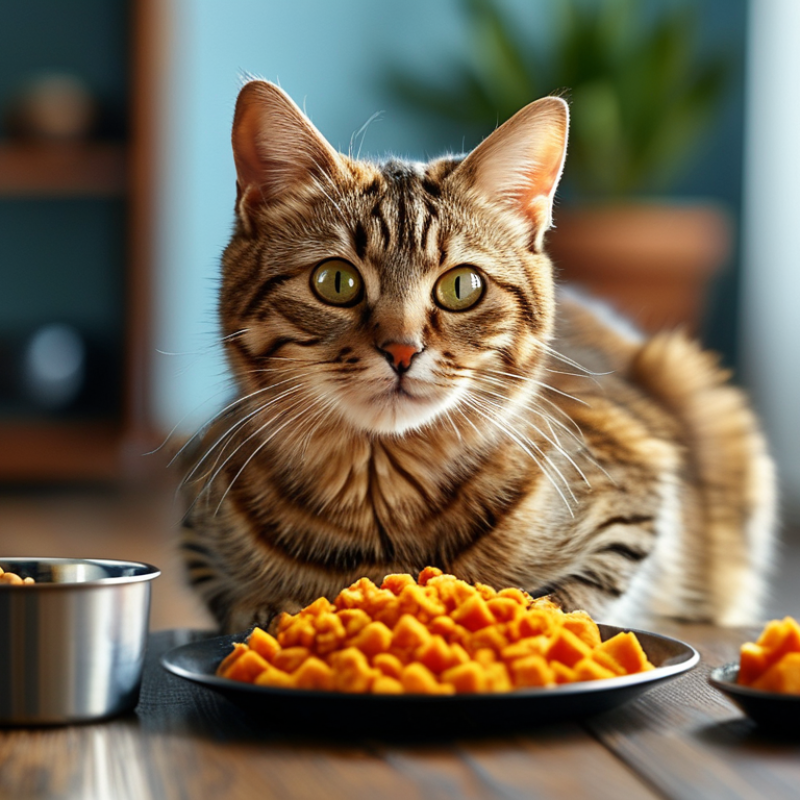
Understanding the Nutritional Needs of Indoor Cats in 2026
Indoor cats have specific nutritional needs that differ from outdoor cats. They need a balanced diet rich in protein, vitamins, and minerals. A high-quality cat food that caters to these needs is essential. Always read the ingredients and make sure it is suitable for indoor cats. Regular check-ups with the vet can help tailor a diet plan.
Consider these tips for an effective feeding schedule. Divide their daily portion into multiple smaller meals. This approach prevents overeating and mimics their natural hunting behavior. Always provide fresh water and monitor their weight. Indoor cats often become sedentary. Be mindful of their activity levels. Engaging them with toys can enhance their physical well-being, complementing their diet.
Don't forget that individual needs vary. A cat's age, weight, and health condition all play a role in what they should eat. Some cats may require special diets, especially as they age. Regularly reassess their nutritional intake. Adjust as necessary to keep them healthy and happy.
Optimal Feeding Frequency for Indoor Cats: A Comprehensive Guide
Indoor cats thrive on a consistent feeding schedule. An optimal frequency is typically twice a day. Providing meals at the same time daily helps regulate their digestive system. Cats are creatures of habit; a stable routine can reduce anxiety.
When deciding on portion sizes, consider your cat's age, weight, and activity level. It’s vital to measure food accurately. Overfeeding is a common mistake. Monitoring your cat's body condition can help prevent obesity. Adjustments may be necessary as your cat ages or changes activity levels.
Tips for feeding include using puzzle feeders. They stimulate natural hunting instincts. This keeps your cat mentally engaged. Additionally, consider incorporating wet food into their diet. It enhances hydration and can be more appealing. Always consult with a veterinarian for personalized advice, especially if your cat has specific health needs.
Choosing the Right Type of Cat Food for Indoor Cats
Choosing the right type of cat food for indoor cats
is crucial for their health. Indoor cats require diets tailored to their lifestyle.
Studies show that these cats have lower activity levels. They may need fewer calories compared to outdoor cats.
According to the Association of American Feed Control Officials (AAFCO), indoor cat food formulations can help manage weight
and prevent obesity.
When selecting cat food, look for high-quality protein sources.
Ingredients like chicken, fish, or lamb are excellent choices.
Ensure the food contains balanced nutrients, including vitamins and minerals.
A report by the Pet Food Industry highlights the importance of fiber
to aid digestion. Opt for foods specifically labeled for indoor cats, as they usually contain the right caloric content.
Tips:
Monitor your cat's weight regularly. Adjust feeding portions based on their activity level.
Consider consulting a veterinarian for personalized dietary advice.
Ensure fresh water is always available. Keep in mind that some foods may cause digestive discomfort.
Observing your cat's reactions to new food is essential for their well-being.
How to Monitor Your Indoor Cat's Weight and Health
Monitoring your indoor cat's weight and health is essential. Regular weigh-ins help track any unusual weight gain or loss. Use a reliable scale and note changes each month. A sudden weight fluctuation might signal health issues. Many cats hide illness well. So, being proactive is crucial.
Pay attention to your cat’s behavior. Reduced activity or changes in appetite can indicate underlying problems. If your cat seems lethargic, consult a veterinarian. Daily play sessions can also help maintain a healthy weight. Measure food portions carefully. Overfeeding is an easy mistake to make, especially with free-feeding.
Watch for signs of obesity, like difficulty grooming or labored breathing. Aim for a balanced diet, focusing on high-quality nutrients. Regular vet check-ups are crucial. These appointments allow for professional assessments and vaccinations. Cat owners often overlook preventive care, but it’s key to long-term health.
Adapting Feeding Schedules Based on Age and Activity Level
Adapting your cat's feeding schedule requires careful consideration of their age and activity level. Kittens need frequent meals due to their rapid growth. Typically, you should feed them three to four times a day. As they reach adulthood, you can reduce this to two meals. Cats have specific energy needs based on their daily activity. An active cat may require more calories and thus additional feeding times.
For senior cats, adjusting feeding times is crucial. They often become less active and may gain weight. Offering smaller, more frequent meals can help manage their weight and keep their digestive system healthy. Consider having their meals spaced out throughout the day. This approach can prevent overeating and promote better hydration.
Here are some tips: Monitor your cat's weight regularly. Gradually adjust the feeding amount as needed. Consider using puzzle feeders to stimulate their mind and slow down eating. Always consult with a veterinarian regarding any drastic changes in feeding schedules or amounts. Staying informed can improve your indoor cat's overall health and happiness.
Best Feeding Schedule for Indoor Cats by Age and Activity Level
FAQS
: Indoor cats need a balanced diet rich in protein, vitamins, and minerals.
Feed your indoor cat twice a day for optimal digestive health.
Regular weight checks help spot unusual gains or losses. Early detection of issues is crucial.
Use puzzle feeders to stimulate their natural hunting instincts.
Changes in appetite or reduced activity can signal health issues. Consult a vet if concerned.
Measure food portions accurately and avoid free-feeding. Regular play sessions are also beneficial.
Wet food can enhance hydration and is often more appealing to cats.
Older cats may require special diets. Regularly reassess their nutritional intake.
Difficulty grooming or labored breathing can indicate obesity. Regular monitoring is essential.
They provide professional assessments and vaccinations crucial for long-term health.
Conclusion
In 2026, understanding the nutritional needs of indoor cats is crucial for their health and well-being. An appropriate feeding schedule contributes significantly to their overall fitness. So, what is the best feeding schedule for indoor cats? It is essential to consider factors such as the cat's age, activity level, and dietary preferences.
A comprehensive guide suggests optimal feeding frequencies that vary from two to four meals per day, allowing for a balanced intake of nutrients. Selecting the right type of cat food, tailored to the specific energy requirements of indoor cats, also plays a vital role. Monitoring your cat’s weight and health on a regular basis ensures they remain in good condition, and adjusting the feeding schedule when needed can accommodate changes in their lifestyle and energy levels. By following these guidelines, cat owners can promote a healthy, happy life for their indoor companions.

 MXI Paws